4 Benefits of Turmeric for Dogs (Based on Science)



In this article
Dogs are like humans. They are susceptible to various diseases that can cause joint pain and inflammation and can also benefit from this yellow spice. We have listed four benefits of turmeric for your dog, along with other information you should know before adding turmeric to your dog’s diet.

What Is Turmeric?
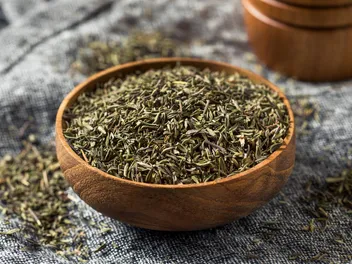
Turmeric is native to Southeast Asia. It is a fragrant, yellow spice that belongs to the ginger family. In addition to frequently being used in Asian dishes, the yellow spice has also been used in India since 500 BCE for things like inflammation, pain, digestive disorders, and arthritis.
Since turmeric has been known to reduce pain and inflammation in humans, veterinarians are recommending turmeric for dogs as well.

The 4 Benefits of Turmeric for Dogs
1. Turmeric for Pain Relief
Curcumin is an active ingredient found in turmeric and is known for its pain-relieving and anti-inflammatory benefits. Although there aren’t many studies on the advantages of turmeric for dogs, some studies suggest many anti-inflammatory and anticarcinogenic benefits of turmeric for humans.
Like humans, dogs can experience joint pain and inflammation. Since swelling causes pain, pet nutritionists and holistic veterinarians encourage the use of turmeric to help to reduce joint pain and chronic inflammation from diseases like osteoarthritis in older dogs.

2. Skin Allergies and Chronic Lick Granulomas
Many of you may be familiar with the unsightly lick granulomas that can occur from your dog’s persistent licking. In some cases, the dog may be licking due to stress or anxiety, but it can also be caused by allergies.
To reduce the itching and help prevent bacteria and fungus, apply turmeric paste to the area. The paste should not be used if it encourages the dog to continue to lick the area, however. It is also recommended that you speak to a vet before using turmeric on your dog’s irritated skin.
3. Turmeric Promotes a Healthy Immune System
Organic turmeric contains antioxidants to support your canine’s immune system and keep it functioning properly.
When it comes to ensuring a healthy cardiovascular system, you may want to add some turmeric to your dog’s diet. Studies have shown that turmeric thins the blood and can help to reduce the risk of blood clots in the heart for people, and possibly for dogs, too.
The yellow spice is also helpful for dogs that suffer from symptoms caused by inflammatory bowel disease, such as diarrhea.
4. Cancer Benefits
As your dog ages, it becomes more susceptible to life-threatening conditions like cancer. Turmeric contains curcuminoids that can kill cancer cells and limit the growth of tumors, according to the Memorial Sloan Kettering Cancer Center and the Veterinary Oncology Services and Research Center (VOSCR).


Side Effects of Turmeric for Dogs
Although the spice has many benefits and is safe for dogs, turmeric can have side effects in some dogs. To prevent side effects and ensure the proper dosage, we recommend seeking the advice of a vet. Otherwise, the dog can experience stomach upset, bruising, gallbladder problems, and clotting issues. A dog can also have an allergic reaction to turmeric.
- Allergic Reactions: Since dogs can experience an allergic reaction to any new food, slowly introduce turmeric to your dog’s diet. Doing so will help to prevent a severe allergic reaction.
- Anti-coagulating Benefits: The anti-coagulating properties contained in turmeric can cause problems for dogs that are on blood-thinning medications for blood-clotting conditions and should not be added to their diet.
- Digestive Problems: If your dog consumes turmeric in high doses, it can cause stomach upset and digestive problems. Be sure to discuss the proper quantity for your pup with a veterinarian.
Summary
Turmeric can provide your dog with some great health benefits. The spice is known for reducing pain and inflammation. It also promotes a healthy immune system and can ease the itching associated with certain skin conditions. The spice should be introduced slowly to avoid a severe reaction, however. As always, we recommend seeking the advice of a veterinarian before adding any supplement to your dog’s diet.
Featured Image Credit; karl-solano, Pexels
Expert dog care, straight to your inbox
News, insights, expert advice, and everything dog.

No spam — unsubscribe anytime.
By signing up, you agree to our Terms & Conditions and Privacy & Cookies Policy.
How useful was this post?
Click a star to rate. You can leave written feedback afterwards. (We read all feedback.)
Nicole has loved animals of all sizes her whole life so it's no wonder she has dedicated her career to helping them through what she loves best: learning, writing, and sharing knowledge with others. She’s the proud mom of two dogs, a cat, and a human. With a degree in Education and 15+ years of writing experience, Nicole wants to help pet parents and pets around the planet to live happy, safe, and healthy lives.